
Where Paris Luxury Meets Tennis Culture
The Casablanca Paris fashion house was established around the concept that the most sophisticated experiences in sport happen not on the court but in the neighbouring environments—the terrace, the changing room and the post-match dinner. Fashion designer Charaf Tajer was inspired by his own experiences splitting time between Parisian nightlife and Moroccan sunshine to establish a fashion house that treats tennis as a aesthetic and cultural universe rather than a athletic discipline. From the very first collection in 2018, Casablanca Paris built a link with courtside life through silk shirts featuring rackets, nets and lush vegetation. This was not sportswear; it was a fantasy of the athletic lifestyle reimagined through luxury fabrics and sophisticated artwork. By grounding the brand in tennis tradition, Tajer connected with a deep tradition of refinement: think of the white flannels of 1930s competitors, the colourful awnings of Roland-Garros and the social scene that surrounds Grand Slam events. In 2026, this tennis DNA serves as the central pillar of every Casablanca Paris line, even as the house ventures into tailoring, outerwear and accessories that go far beyond the court.
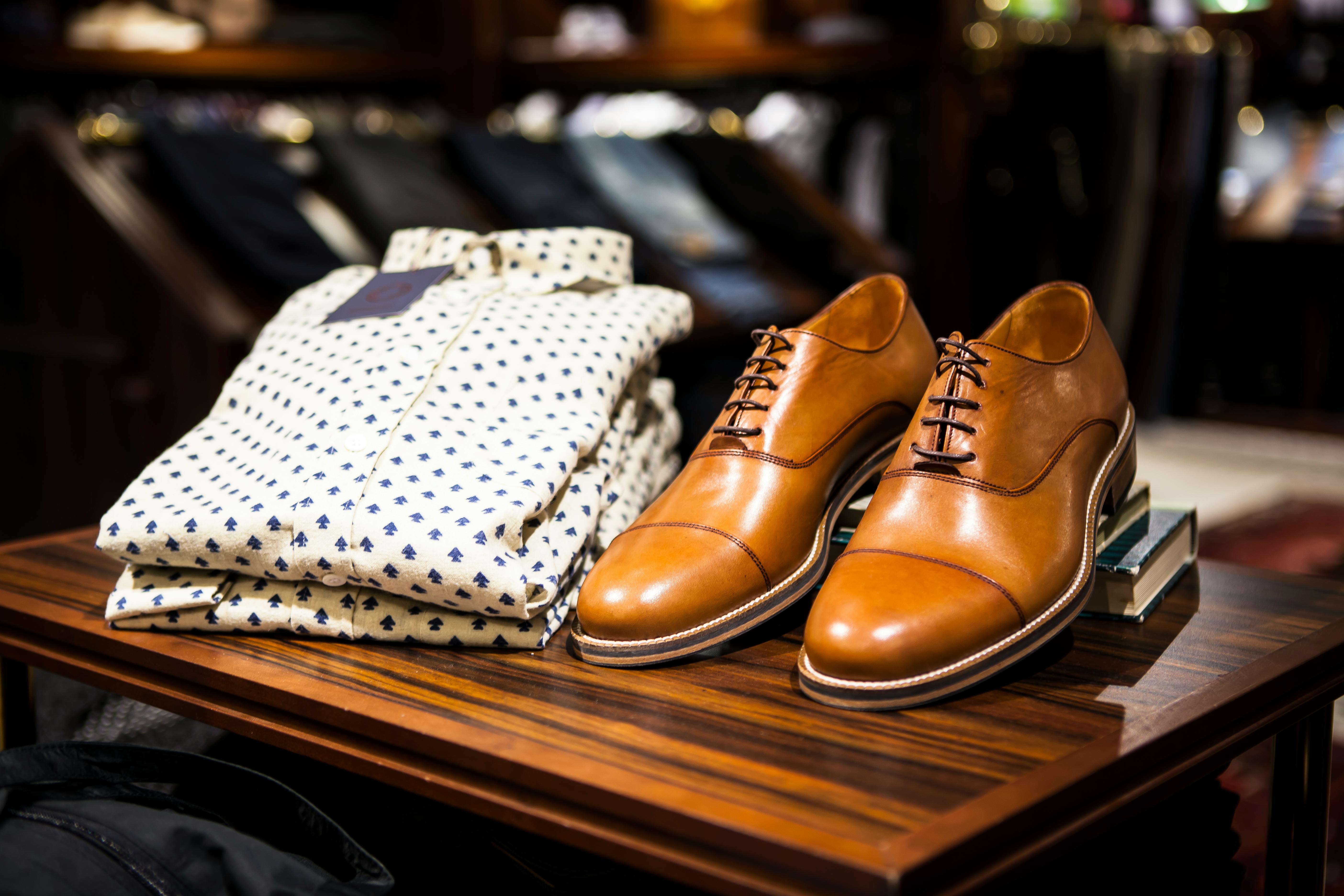
The Tennis Design Language in Casablanca Paris Collections
Tennis gives Casablanca Paris with a ready-made aesthetic toolkit that casablanca store is both focused and globally compelling. Clay-court reds, grass-court greens, net-white stripes and sun-yellow accents flow through collection palettes, providing each season a sporting rhythm. Artworks depict competitions, audiences, cups and Mediterranean venues rendered in a artistic, slightly wistful manner that avoids straightforward sportswear territory. Logo crests borrow the club-crest format of fictional tennis clubs, creating a feeling of community and exclusivity without referencing any actual organisation. Knitwear typically features textured-stitch or woven designs inspired by old-school tennis jumpers, while polo-style shirts and polo silhouettes echo match-day clothing. Terry cloth—a textile known for sideline towels and sweatbands—features in shorts, robes and informal tops, amplifying the sensory link with athletics. Even add-ons like caps, visors and wristbands feature the Casablanca Paris crest, converting functional items into covetable brand markers. This multi-faceted method ensures that the tennis reference appears natural and developing rather than stale, sustaining shoppers captivated across numerous seasons in 2026 and beyond. A crest cap or textile belt can subtly amplify the sporty atmosphere without overloading the outfit.
Notable Tennis-Inspired Garments Across Seasons
| Garment | Tennis Inspiration | Common Fabric | Price Bracket (2026) |
|---|---|---|---|
| Silk illustrated shirt | Courtside observer | Mulberry silk | $700–$1 200 |
| Terry shorts | Club changing room | Cotton terry | $350–$500 |
| Knit polo | Tournament attire | Merino / cotton blend | $400–$650 |
| Track jacket | Warm-up layer | Satin / tricot | $600–$900 |
| Logo cap | Sun coverage on court | Cotton twill | $150–$250 |
| Crest-embroidered sweatshirt | Club affiliation | Dense fleece | $450–$700 |
Why Tennis Culture Resonates With Luxury Shoppers
Tennis has traditionally been linked to affluence, exclusivity and social refinement, making it a natural match for high-end fashion. Elite clubs, private courts and major championships form environments where aesthetics, etiquette and visual culture converge. Unlike aggressive sports that highlight power, tennis rewards elegance, accuracy and personal style—attributes that match perfectly with the ideals of upscale clothing brands. Casablanca Paris leverages this cultural currency by delivering garments that envision an idealised vision of the tennis world: always sunny, invariably social, always dressed impeccably. This alluring world resonates with shoppers who may never play tournament-level tennis but who enjoy the way of life it symbolises. In 2026, as well-being and sport more and more overlap with fashion, the tennis theme reads as even more appropriate. Tournaments like Wimbledon, the US Open and Roland-Garros persist in attract high-profile presence and media coverage, reinforcing the bond between tennis and elegance. Casablanca Paris benefits from this landscape by establishing itself as the wardrobe for individuals who desire to appear as if they belong at the finest institutions in the globe, whether they swing a racket or not.
How Casablanca Paris Differs From Other Tennis-Inspired Fashion Lines
Several clothing labels have drawn on tennis themes over the years, from Ralph Lauren’s Wimbledon collaborations to Lacoste’s legacy range and Nike’s designer-influenced performance lines. What sets Casablanca Paris different is the depth of its investment in the aesthetic and its decision not to make performance sportswear. While other brands may put out a limited range inspired by tennis every few seasons, Casablanca Paris constructs its full creative vision around the discipline. Every season includes garments that could plausibly exist in a imaginary tennis club from the 1970s, updated with contemporary colours, artworks and proportions. The brand never produces real performance tennis gear—there are no performance fabrics, no professional shoes—which keeps the attention on lifestyle and living rather than practicality. This distinction is significant because it places Casablanca Paris alongside fashion houses rather than sports brands, underpinning higher prices and more elaborate design. In 2026, rivals keep on release sporadic tennis-themed capsules, but none have threaded the narrative as deeply into their DNA as Casablanca Paris, giving the label a storytelling upper hand that is hard to reproduce.
Wearing Casablanca Paris With a Tennis Vibe in 2026
To introduce the Casablanca Paris tennis energy into regular looks, start with one focal piece that has an clear courtside reference—a illustrated silk shirt, a terry pair of shorts, or a knit polo—and build the rest of the look around it with neutral pieces. For men, teaming a silk shirt with refined cream chinos and suede loafers produces a refined evening-out or holiday outfit that mirrors the post-game gathering. For women, wearing a Casablanca polo paired with a pleated midi skirt with minimal sandals achieves a sporty-chic ensemble suitable for urban lunches and museum outings. Adding layers is also effective: layer a track jacket over a plain T-shirt and jeans to inject a flash of vibrancy and athletic character without resorting to head-to-toe theme. During the colder part of the year, a knit or sweatshirt with a discreet tennis crest can be worn under a trench or blazer, bringing warmth and character to a smart casual ensemble. The key rule is balance—let the Casablanca Paris item command attention while the rest of the outfit delivers a serene backdrop. This equilibrium maintains the tennis nod sophisticated rather than over-the-top.
The Cultural Significance and Future of Casablanca Paris Tennis Aesthetic
Beyond fashion, Casablanca Paris has been part of a wider cultural movement in which tennis is rediscovered as a cultural symbol for a newer, more inclusive customer base. Social media campaigns showcasing players, artists and performers in the house have expanded the influence of tennis style beyond established elite audiences. Branded events at grand slam events, exclusive releases timed to Grand Slams and partnerships with tennis bodies maintain the brand prominently visible in sporting settings. In 2026, the impact of Casablanca Paris is noticeable not only in its own revenue but in the broader fashion industry’s refreshed fascination with athletic-elegant clothing and recreational athletics. Other fashion brands have begun weaving in racket motifs, tennis skirts and terry fabrics into their collections, a shift that can be traced in part to the blueprint Casablanca Paris pioneered. For buyers, this translates to more possibilities and more embrace of tennis-inspired fashion in regular wardrobes. For the house itself, the task is to continue evolving within its chosen territory so that it stays the authoritative ambassador of premium tennis fashion rather than one of many. Given Charaf Tajer’s profound personal bond to the theme and the brand’s proven ability of deliberate progression, Casablanca Paris appears poised to hold that status for years to come. For more on the convergence of tennis and clothing design, see reporting at Vogue and Highsnobiety.